From Royalty to Private Tables: The Responsibility of Representing Moroccan Cuisine
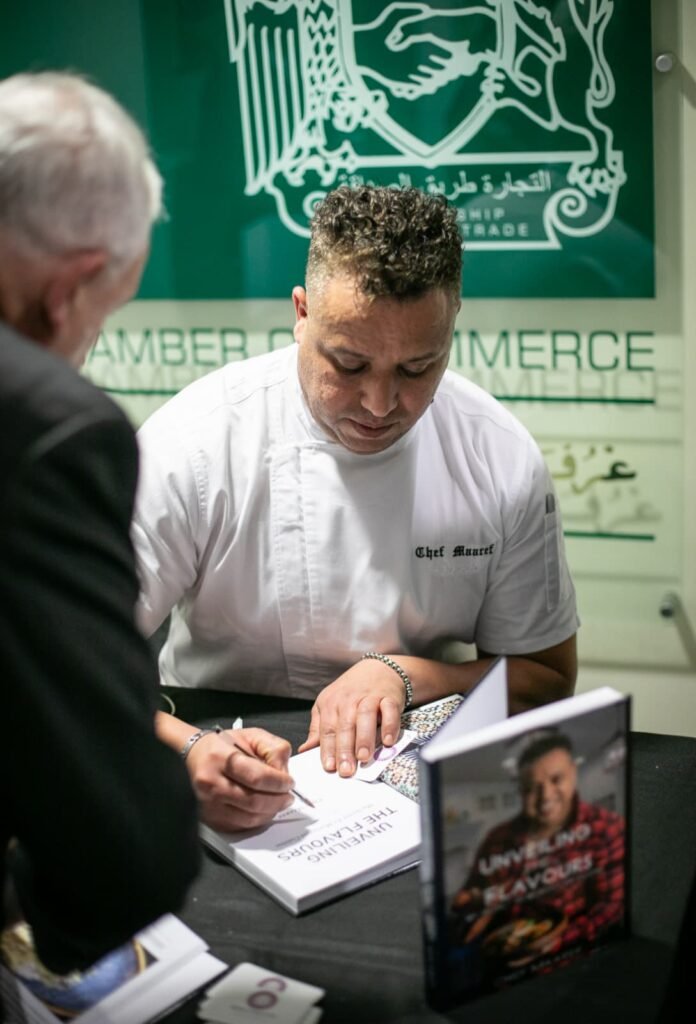
Throughout my career, I have had the privilege of cooking in high-end establishments and preparing meals for distinguished guests, including dignitaries and members of royal households.
Experiences like these teach a chef something very important:
Food is never just food.
It is diplomacy.
It is culture.
It is identity presented on a plate.
Every dish carries a story, not only of ingredients and techniques, but of history, heritage and national pride.
For a chef representing Moroccan gastronomy abroad, this responsibility becomes even greater.
Moroccan cuisine is one of the richest culinary traditions in the world. It reflects centuries of cultural exchange, Amazigh, Arab, Andalusian and Mediterranean influences blending together to create a cuisine of remarkable depth and elegance.
Yet outside Morocco, the true sophistication of this culinary heritage is often misunderstood or simplified.
Too often Moroccan food is reduced to a handful of dishes presented without context or refinement. The depth of flavour, the layering of spices, the slow cooking traditions and the delicate balance between sweet and savoury are sometimes lost in translation.
When I cook Moroccan cuisine internationally, I carry a responsibility:
to present it with the respect, accuracy and elegance it deserves.
In royal kitchens and diplomatic settings, food is never prepared casually. Every ingredient is selected carefully, every flavour is balanced, every presentation reflects the importance of the occasion.
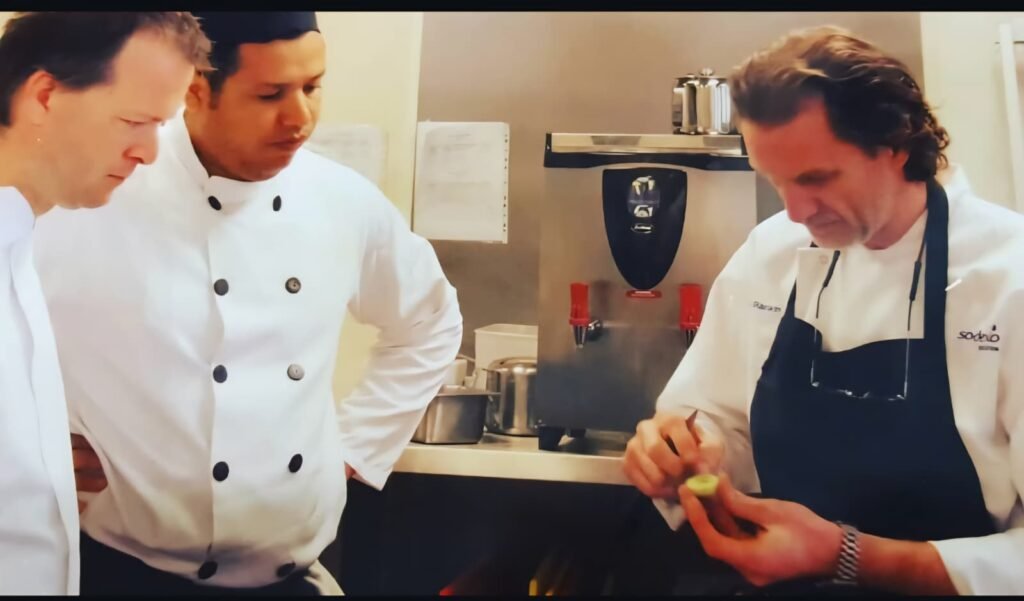
This level of precision is something I believe Moroccan cuisine deserves whenever it is presented to the world.
In my book Unveiling the Flavours, I explore the philosophy behind Moroccan gastronomy. not simply the recipes, but the cultural intelligence that shaped them. The patience of slow cooking. The harmony between spices. The celebration of seasonal ingredients.
These are not trends.
They are traditions refined over centuries.
When a guest tastes Moroccan cuisine for the first time, that moment matters.
Their perception of an entire culture may be shaped by a single dish.
That is why representation matters.
Whether cooking in palace kitchens, fine dining restaurants, or private tables in London, the mission remains the same:
To honour Moroccan culinary heritage while presenting it with the elegance and precision it deserves on the global stage.
Because when Moroccan cuisine is represented properly, it speaks for itself.
And what it says is extraordinary.
Chef Maaref
Author of Unveiling the Flavours
London / buckinghamshire