Ramadan, Nutrition and the Forgotten Intelligence of Moroccan Iftar
In contemporary wellness culture, we speak frequently about balance, gut health, blood sugar control and mindful eating.
Yet long before nutrition became a commercial industry, traditional Moroccan Iftar quietly practiced these principles with remarkable precision.
Ramadan is often misunderstood in Western discourse as a month of indulgence after fasting. Social media imagery frequently highlights abundance and excess.
Historically, however, the structure of Moroccan Iftar was deliberate, and nutritionally intelligent.
The fast is traditionally broken with dates and water or milk. From a physiological perspective, dates provide rapid glucose restoration after prolonged fasting, while remaining gentle on digestion. The pairing with milk offers protein and hydration without heaviness.
This is not accidental tradition. It is metabolic wisdom.
The centrepiece of many Moroccan Iftar tables is harira, a tomato-based soup enriched with lentils, chickpeas, herbs and often tender cuts of meat. From a nutritional standpoint, this is a complete recovery dish: plant protein, fibre, minerals, hydration and moderate fat content working in harmony.
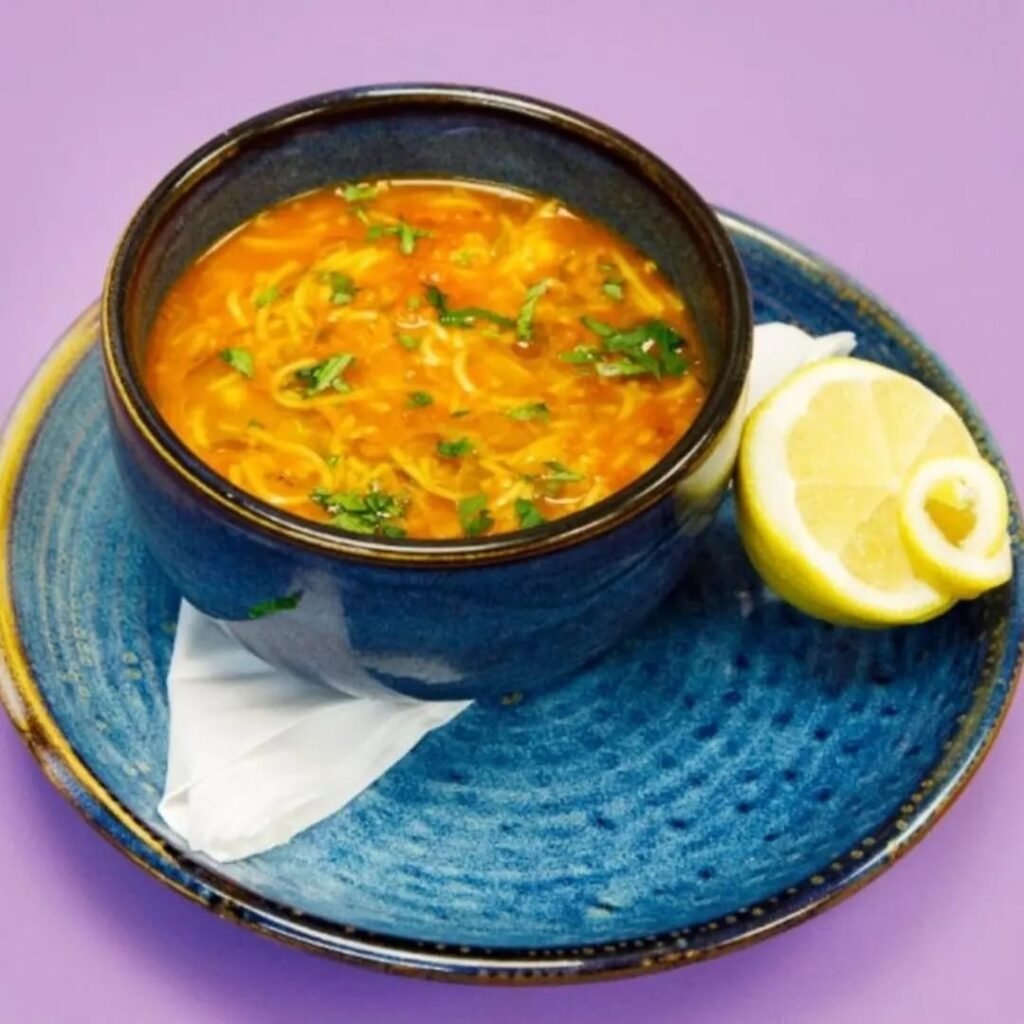
In Unveiling the Flavours, I explore how many Moroccan dishes were constructed around balance rather than excess. Spice blends were designed not only for aroma, but for digestive support. Coriander, ginger, turmeric and cinnamon have long been embedded into daily cooking, now widely studied for their anti-inflammatory and metabolic properties.
Even the pacing of Iftar traditionally encouraged moderation. Small bites, soup, prayer, then gradual progression to more substantial dishes. The architecture of the meal respected the body’s transition from fasting to nourishment.
Modern interpretations sometimes overload the table, replacing balance with abundance.
But the original blueprint remains powerful.
In an age obsessed with biohacking and dietary optimisation, perhaps we are rediscovering what culinary heritage already understood:
That food can restore, regulate and sustain, when crafted with intention.
Moroccan gastronomy is not only culturally rich.
It is structurally intelligent.
And Ramadan offers one of its most elegant examples.
Chef Maaref
Award-Winning Culinary Author
London